While this this year’s Women’s History Month has technically come and gone, NHBP acknowledges the profound impact of our kwék {women} today and every day. From the very beginning, NHBP has seen many incredible female leaders who have shaped the organization and paved the way for today’s leaders and the leaders of the future. NHBP currently has three kwék serving their community and continuing to provide invaluable service as Tribal Council Members: Vice Chairperson Ariel Boonstra, Secretary Jessica Blain, and Sergeant-at-Arms Dorie Rios. May their stories, wisdom, and leadership inspire the next generation of leaders to come!
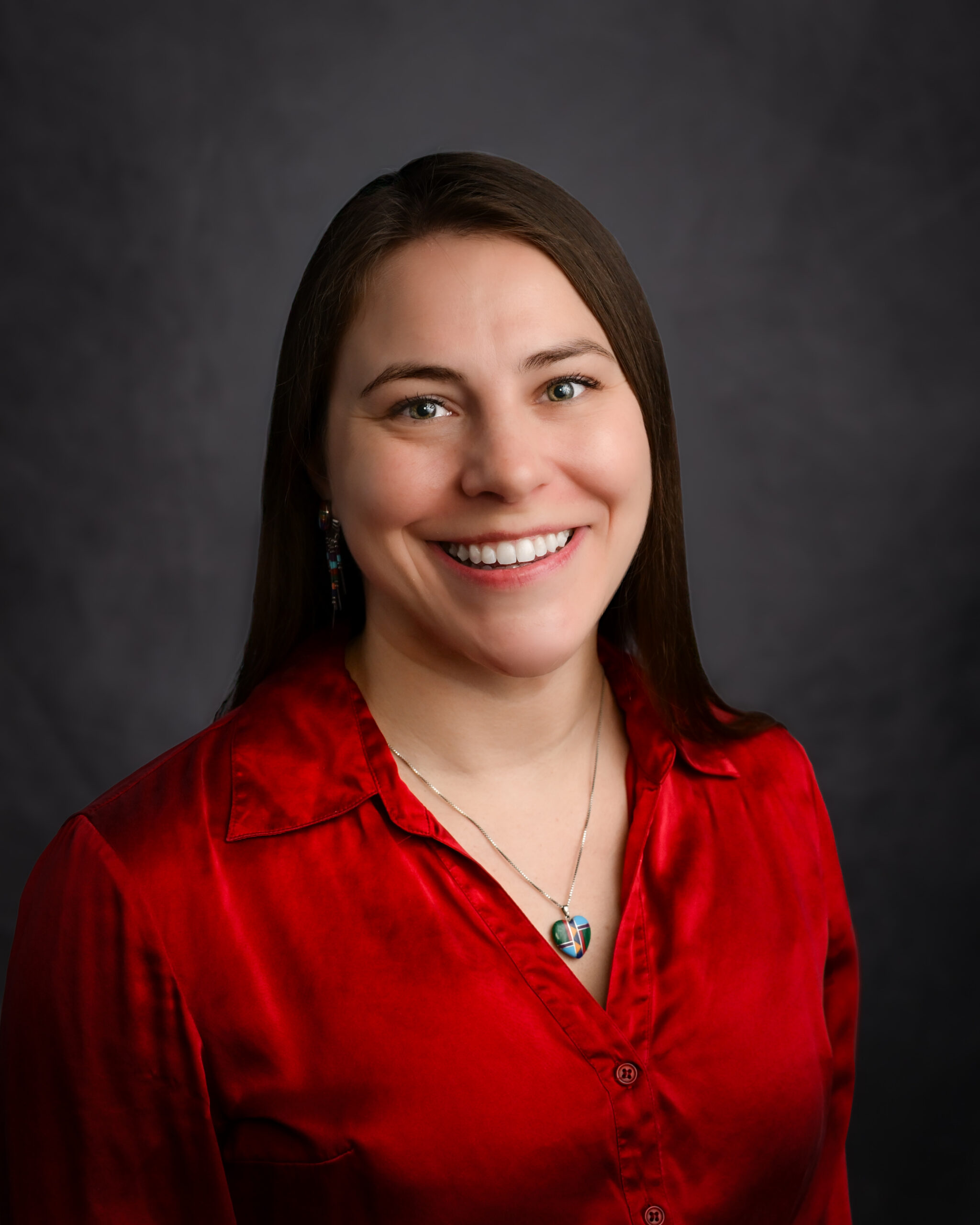
Ariel Boonstra
Regarding her journey to Tribal Council, Boonstra reflects on her varied experiences as a Tribal Member: “Growing up a part of NHBP, through events I went to with my mother, Pow Wows with my grandmother, and watching my family become involved with the Tribal Government” all contributed to “what felt like a calling within me, and I have not looked back since.” Simply being present for her community has played a huge role in her journey, which Boonstra applies to her Council appointment, believing that “the more I’m involved within our government, the more I’ll grow.”
Being a Tribal Council leader requires “integrity, selflessness, strength, protecting those I serve, and taking accountability,” all which Boonstra strives to achieve in her day-to-day work. While considering this list of traits and responsibilities, Boonstra also remembers the importance of those who have come before her. “This dream comes with a lot of responsibilities,” she says. “I hope to continue this experience for as long as I can. I’m thankful for all the leaders before me that got us to where we are today. I want to continue to help drive the Tribe toward a strong future.”
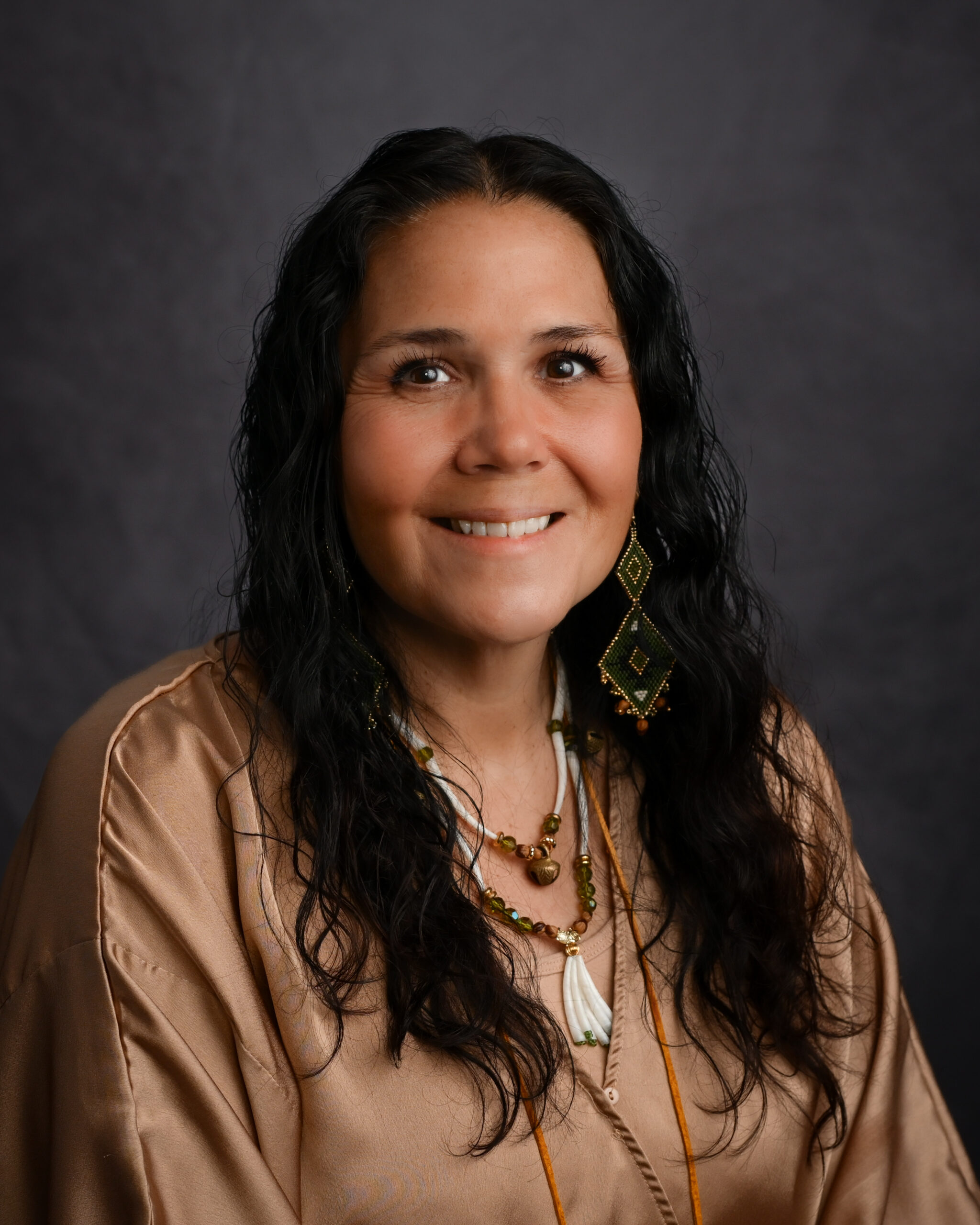
Jessica Blain
Blain knew early on that her true passion lay in serving her community. As a Tribal Council Member, she continues that goal today by working to support everyone from youth and Elders to the Tribal Membership at large. “I really like helping and mentoring people,” she says, additionally finding pride in “being able to have helped people into leadership roles where they could thrive and, in turn, provide guidance to others.” Blain has demonstrated this repeatedly throughout her working career. This supportive mentality can be traced back to one of Blain’s major inspirations: her mom. Blain describes her as “very giving, loving, and nurturing,” all things she admires and practices to this day.
Blain also emphasizes the importance of commitment and appreciation vital to her service. Various teachers encouraged her to “never give up,” with the caveat of also “doing the hard work” to ensure dreams can become realities through grounded, deliberate action. Describing her own approach as an “I-get-to” mentality, Blain sees her opportunity of serving on Tribal Council as both a privilege and something she has put in the effort and taken deliberate steps toward achieving. Her advice to young leaders is to find a balance in appreciation and determination. “Every moment in our life’s journey prepares us.”
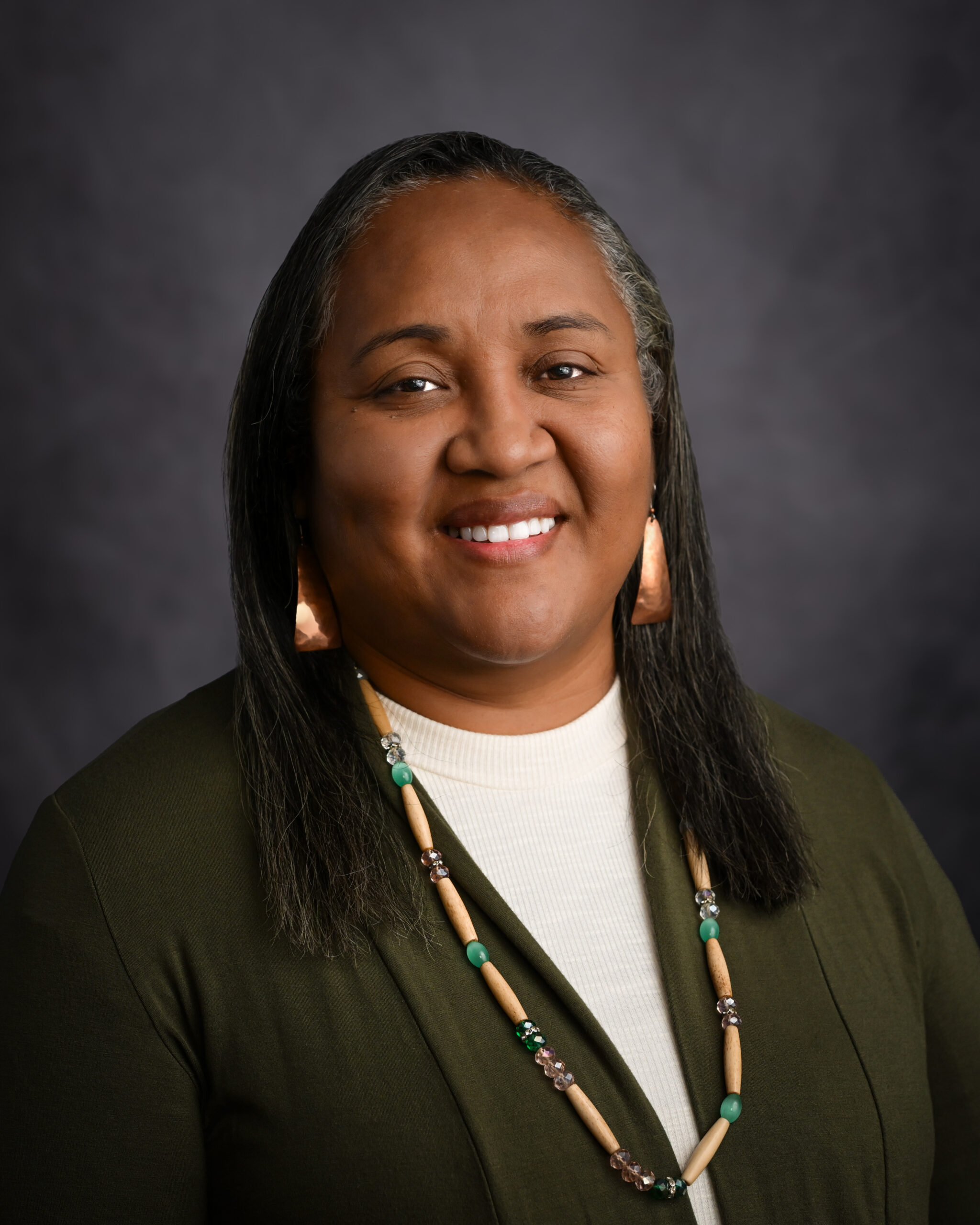
Dorie Rios
Rios’ calling to serve her Tribal Nation began with her witnessing NHBP’s federal reaffirmation signing in 1995, where the “Treaty Room with all of the treaties our Ancestors signed in hopes of a better future” resonated with her. She cites this event as having had a profound influence in her life, something many Tribal Members understand from personal experience. Rios also recalls something her sixth-grade teacher told her specifically, in a discipline setting far different from the White House Treaty Room: “You are a leader,” she had said. “And people are watching.” This reminder, the federal recognition signing, as well as relational influences like her mother and previous Tribal Council Member Ruth Ann Chivis, has molded Rios into the person she is today.
“People are watching” is something Rios has sought to instill in her own children, along with a sense of respect for themselves and others “no matter their background, appearance, or gender.” The struggles of past and present-day sexism are something she, alongside the fearless kwék of today and those who came before, is working to overcome for the betterment of the future. “Women are truly the heartbeat of their communities,” she says. “We hold sacred responsibilities and we need to protect and teach those responsibilities at all costs.” With this blueprint of wisdom, as well as the influence of Rios’ fellow Tribal Council Members, we can be assured NHBP leaders of the next Seven Generations will do their part to make this world a better place.
Jessica Blain

0 Comments